Fire Watch Guards: Keeping Your Facility Safe and Compliant
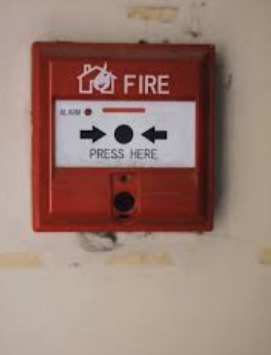
Ensuring the safety of a commercial facility goes far beyond installing smoke detectors and hanging fire extinguishers. For property managers and business owners, the reality of fire safety involves navigating complex regulations and preparing for the unexpected. When automated systems fail or specific hazards arise, the human element becomes your most critical line of defense. This is where Fire Watch Guards step in—not just as a precaution, but as a mandatory compliance measure to protect lives and assets.
Understanding how to leverage fire watch services effectively is essential for maintaining business continuity. Below, we address the most common questions regarding fire watch security, backing them with the insights needed to keep your facility compliant.
What Is a Fire Watch and When Is It Required?
A fire watch is a specialized security measure performed by trained personnel who patrol a specific area looking for fire hazards. These guards act as human sensors when your automated systems cannot.
The National Fire Protection Association (NFPA) and local municipal codes mandate a fire watch in several specific scenarios. The most common trigger is the malfunction of fire alarm systems or water-based fire protection systems (sprinklers). If your system is down for more than four hours in a 24-hour period, you are typically required by law to implement a fire watch until the system is fully restored.
Other scenarios requiring these services include “hot work” operations—construction activities involving welding, soldering, or open flames—and large public gatherings where the crowd density exceeds the capacity of standard safety measures.
Why Are Fire Watch Guards Critical for Risk Mitigation?
The statistics surrounding commercial fires are sobering. According to industry data, structurally significant fires in non-residential properties cause billions of dollars in direct property damage annually. However, the cost of non-compliance can be just as devastating.
Facilities found in violation of fire codes face hefty fines, potential shutdowns, and skyrocketing insurance premiums. A fire watch guard mitigates this financial and operational risk. By maintaining a physical presence, they provide the documentation and vigilance required by insurance carriers to keep policies active during periods of heightened vulnerability. They ensure that if an ignition source appears, it is identified and addressed immediately, rather than growing into a catastrophic event.
What Duties Do Fire Watch Guards Perform?
To ensure your facility remains safe, fire watch guards execute a strict protocol of duties. Their primary function is continuous patrolling. Unlike standard security guards who might sit at a desk, a fire watch guard is constantly on the move, inspecting all areas of the facility—including boiler rooms, electrical closets, and storage areas—at least once every hour.
Their responsibilities include:
Hazard Identification: Spotting potential ignition sources, such as frayed wiring, overheated machinery, or blocked exits.
Emergency Communication: Being the first to contact the fire department in the event of an emergency, providing precise details about the location and nature of the fire.
Documentation: Keeping a detailed log of all patrols. This log is often required by the Fire Marshal to prove that the building was under surveillance during the downtime of automated systems.
How Can You Ensure You Are Hiring the Right Professionals?
Not all security personnel are qualified for fire watch duties. Effective fire watch guards require specific training in fire behavior, hazard recognition, and emergency evacuation procedures. When selecting a service, ensure the guards are familiar with the specific layout of your building and the local fire codes relevant to your jurisdiction.
By prioritizing professional fire watch services, you are doing more than just meeting a legal requirement; you are investing in the continuity of your business and the safety of everyone under your roof. Don’t wait for an emergency to check your compliance status—secure your facility today.