The Fast Fire Watch Company Protecting Hotels, Hospitals, and Retail Stores
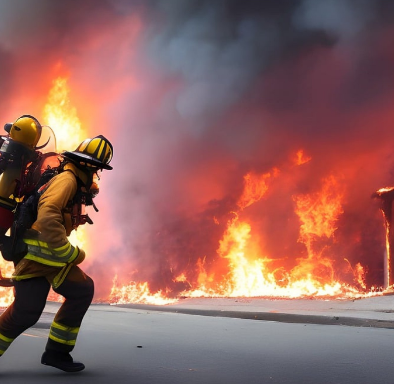
Fire safety compliance has become a measurable priority for commercial properties across the country. Recent industry reports show that thousands of structure fires impact hospitality, healthcare, and retail facilities every year, resulting in significant operational losses and safety risks. In high-occupancy environments, immediate response and continuous monitoring are not optional—they are critical risk management strategies. That is why The Fast Fire Watch Company continues to set professional standards in protecting hotels, hospitals, and retail stores through dependable fire watch services designed to prevent disruption and ensure full regulatory compliance.
Statistics indicate that properties with active fire watch protocols during system outages reduce incident escalation risks dramatically. Hotels operate 24/7 with fluctuating occupancy levels, hospitals must maintain uninterrupted patient care, and retail stores manage heavy foot traffic during peak hours. When fire alarm systems, sprinkler systems, or suppression equipment become temporarily inoperable, insurance providers and local fire authorities often require a certified fire watch presence. Professional fire watch guards provide documented patrol logs, real-time hazard identification, and immediate emergency coordination—reducing liability exposure and reinforcing safety assurance.
In the hospitality sector, fire-related disruptions can damage brand reputation within hours. Industry data reveals that guest confidence drops significantly following visible safety failures. Continuous patrols, stairwell checks, mechanical room inspections, and clear communication with management teams create a protective environment that reassures guests and staff alike. Fire watch personnel trained for hotel operations understand evacuation routes, occupancy loads, and emergency reporting standards, ensuring properties remain both compliant and operational.
Healthcare facilities present even greater responsibility. Hospitals house vulnerable populations, critical medical equipment, and sensitive infrastructure. Fire incidents in healthcare environments often lead to extended service shutdowns and financial strain. Fire watch officers assigned to medical facilities follow strict documentation procedures and coordinate closely with facility managers to monitor high-risk zones such as generator rooms, oxygen storage areas, and kitchen facilities. Their presence ensures rapid detection and response during alarm malfunctions or construction-related system interruptions.
Retail environments also face measurable risks. Seasonal traffic spikes and temporary renovations increase the likelihood of system strain or required shutdowns. National fire safety statistics show that early detection significantly reduces property damage costs. Consistent interior and exterior patrols, clear incident reporting, and coordination with emergency services minimize disruption to sales operations while maintaining customer safety.
Beyond compliance, measurable performance standards define professional fire watch services. Detailed reporting logs, time-stamped patrol verification, and adherence to local fire codes ensure accountability. Businesses that invest in structured fire watch programs often experience smoother inspections and faster approvals from authorities having jurisdiction.
Fire safety is not simply a regulatory obligation—it is a strategic investment in operational continuity. Hotels, hospitals, and retail stores operate in environments where safety failures carry high consequences. Professional fire watch services provide immediate risk mitigation, documented oversight, and dependable protection during system impairments. By prioritizing preparedness and compliance, commercial properties safeguard their people, protect their assets, and maintain the confidence of customers, patients, and stakeholders alike.