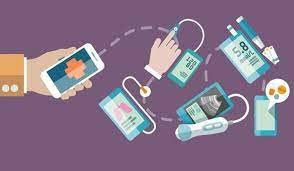
The Role of Monitoring Tools in Modern Remote Healthcare
The healthcare industry is rapidly transforming, and monitoring tools are at the heart of this evolution, especially in remote care. With the rise of telemedicine and digital health solutions, these remote patient monitoring tools are helping to bridge the gap between healthcare providers and patients, ensuring better care outcomes while increasing accessibility.
Empowering Remote Patient Care
Monitoring tools have become essential in delivering quality remote healthcare. Devices such as wearable health monitors and smart sensors track vital signs like heart rate, blood pressure, and oxygen levels in real time. This real-time data allows healthcare professionals to identify irregularities quickly, facilitating timely interventions and preventing critical conditions from escalating.
For example, recent statistics reveal that wearable health technology adoption has grown by over 30% in the last two years, showcasing just how integral these tools have become in modern healthcare. From elderly patients managing chronic illnesses to those recovering from surgeries, monitoring tools have repeatedly improved patient experiences.
Data-Driven Healthcare Decisions
One of the most significant benefits of these tools is the volume of health data they generate. By using AI and machine learning, healthcare professionals can analyze this data to recognize trends or patterns that could lead to more accurate diagnoses and better treatment plans.
According to recent industry data, over 60% of healthcare organizations are now leveraging monitoring tools to collect data for personalized care strategies. This shift not only improves patient outcomes but also reduces operational inefficiencies, such as unnecessary hospital visits.
Increasing Access in Underserved Areas
Remote monitoring tools play a critical role in extending healthcare access to underserved areas. Rural regions, where hospitals are scarce and specialists are harder to reach, benefit immensely from these innovations. Patients can consult doctors virtually while providing accurate health data through remote diagnostic tools.
Interestingly, studies show that the use of such tools in rural health systems has reduced hospital readmission rates by up to 38%. These technologies are truly life-saving, particularly for those who lack consistent access to in-person medical care.
Looking Ahead
The role of monitoring tools in modern remote healthcare continues to grow. Their integration not only enhances patient care but also promotes a future where more equitable healthcare access is possible.